
Seven Thousand Feet of Quiet, and No Passport Required
Destination Advice / Restorative Journeys by Debra Orringer
Seven Thousand Feet of Quiet, and No Passport Required
Santa Fe in October is cool, dry, and slow, and it solves a specific problem for women who want a real week away without a long flight to get there.
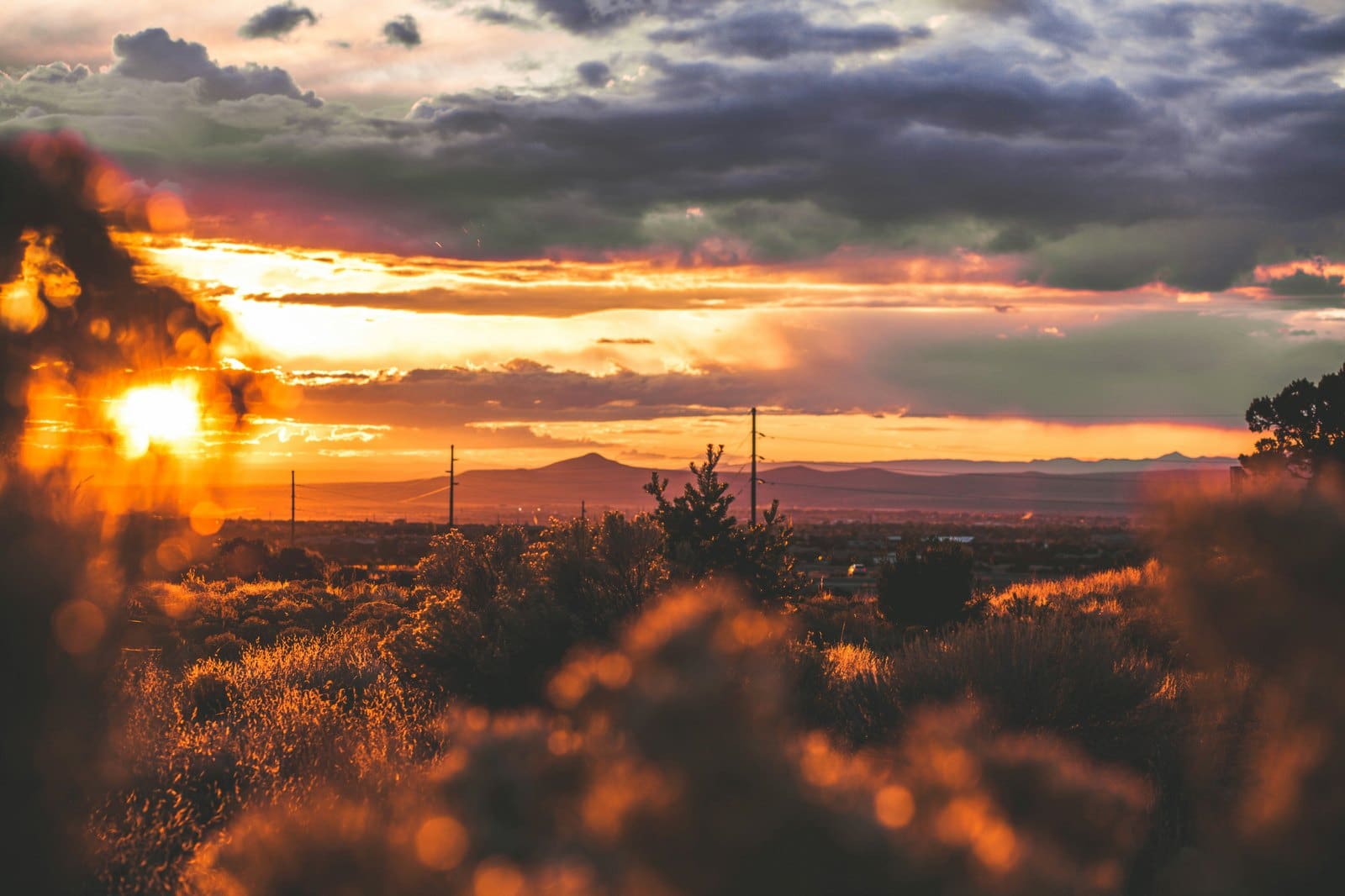
There’s a stretch of road above Santa Fe in early October where the aspens go gold on both sides at once and the air smells like piñon smoke from somewhere down the hill. A woman I was traveling with pulled over, got out, and stood there for about five minutes without saying anything. She’d flown in from Cleveland the day before. Total travel time, door to door, was under seven hours.
That’s the thing I keep coming back to with Santa Fe. It gives you the feeling of having gone a long way without asking you to actually go one.
Why October
The aspens in the Sangre de Cristos start turning in mid-September, and the stands above town near the ski basin usually peak somewhere between the last days of September and the first week or two of October. The timing shifts year to year, so it’s worth checking the Forest Service conditions page before you commit to dates. The Aspen Vista trail climbs a well-graded old road through them, and you can walk twenty minutes or four miles depending on what your body wants that day.
The weather in October settles into the range that makes everything else easy. Average highs sit in the low sixties and fall through the month, with overnight lows around forty. You want a sweater in the morning and again after sunset, and in between you can be outside all day without the heat deciding your schedule for you. The air is dry enough that shade feels genuinely cool.
By October the summer crowd has thinned. The plaza is walkable at a normal pace, and you can get a table.
Getting there is the easy part
Most people fly into Albuquerque and drive north, which takes about an hour. If you’d rather not rent a car, the state’s Rail Runner Express runs from Albuquerque up to the Santa Fe depot downtown in roughly ninety minutes, seven days a week. Santa Fe’s own airport has limited service from a few cities, which is worth checking if you’re coming from the west.
For anyone in the US, this is a trip with no overnight flight, no jet lag, and no first two days lost to recovery. You land and the week starts.
The altitude, honestly
Santa Fe sits at about 7,199 feet, which makes it the highest state capital in the country. The CDC’s guidance on altitude illness generally kicks in around 8,000 feet, so the town sits just under the threshold where they’d advise a careful, staged ascent, and most visitors do fine.
That said, you will notice it. The first day usually comes with a little breathlessness on stairs, a drier throat than you’re used to, and a headache if you don’t drink enough water. The sun at that elevation is strong even when the air is cool.
So I plan the first day light. It’s usually something in town, a lot of water, a proper dinner, and an early night. The higher hikes, including the ski basin trails that climb toward 11,000 feet, go on day three or four, once you’ve had a couple of nights to settle in. Anyone with a heart or lung condition should run the elevation past her own doctor before booking, and that’s a five-minute conversation worth having.
What a week actually looks like
I build most restorative weeks around one thing a day, and Santa Fe takes to that shape easily.
You might spend a morning on Museum Hill with the folk art collection and then a long lunch afterward. Another day goes to Bandelier National Monument, where a paved loop of about a mile through Frijoles Canyon runs past cliff dwellings carved into the volcanic rock, with ladders up into them if you feel like climbing. The high road north toward Taos winds through old villages and adobe churches, and it takes a whole afternoon if you let it. The mineral springs up near the village of Ojo Caliente make the kind of afternoon that ends a week well. Georgia O’Keeffe’s country around Abiquiú and Ghost Ranch is worth a day on its own, and the cliffs out there really are the color she painted them.
The food is worth building days around. Green chile turns up in nearly everything, blue corn shows up on half the menus, and the Saturday farmers market in the Railyard is at its best in the fall. Dinners run long on patios once the heaters come on and the sun drops.
Who this suits
I bring Santa Fe up most often with women who tell me they want a genuine break and can’t face a transatlantic flight to get one, or who have a week rather than two, or who are traveling on their own for the first time in a while and want somewhere walkable, English-speaking, and easy to get around. It’s also a good fit if the last few trips have left you more tired than when you started.
You get the altitude light, the quiet, the long views, and a place old enough to make your own week feel smaller in the way that helps.
Thinking about a trip like this?
My Restorative Travel Guide covers how to shape a week so it actually restores you, whether you’re going four hours away or across an ocean. It’s free, and it lands in your inbox.
Get the Restorative Travel GuideIf you’d like to talk about planning something real, you can share your details here and I’ll follow up.
Debra Orringer, MS, ACE-MES, ACSM-CEP, CIHC