
Am I Too Old to Book a Walking Trip?
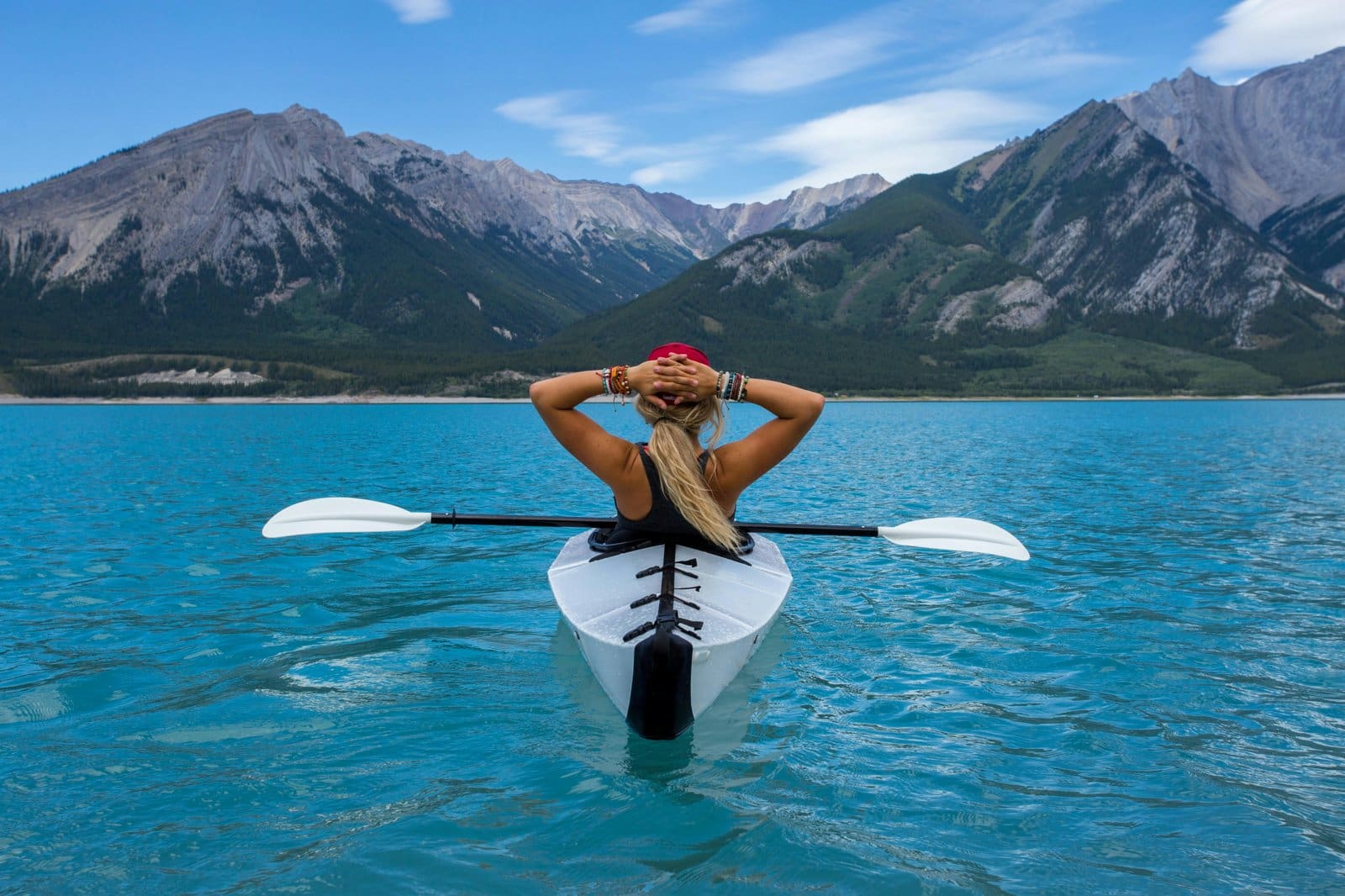
A client asked me this last week. She’s active, she walks on weekends, and she still found herself hesitating over a trip she genuinely wanted, because every brochure photo showed someone twenty years younger striding along a ridgeline. The question sounded like it was about her fitness. It wasn’t.
The question underneath the question
Most of the time, “am I too old for this?” is a logistics question wearing a fitness question’s clothes. A well-built walking trip is four to six hours a day on maintained trails, at a pace you set, with a porter moving your bag between stops. That is a very different thing from the endurance test the photos imply. When women tell me they’ve talked themselves out of a trip, the reason is rarely their knees. It’s the picture in their head of what the trip demands, and that picture is usually wrong.
What the research actually says about your body
Here’s the part worth holding onto. A 2025 analysis pooled 74 trials and 5,331 postmenopausal women and compared exercise types head to head. Weight-bearing movement combined with resistance work built the most bone at the spine and hip, more than cardio alone and more than lifting alone. And the detail that changes the whole conversation is that those women were already past menopause when the trials began, and their bone density rose over the course of the study. It improved rather than merely holding steady.
Walking uphill under load is the most accessible version of that kind of movement anywhere on the planet. So a mountain walking trip isn’t a risk to your body at this age. Handled well, it’s one of the better things you can do for it.
The real obstacle is the booking window
If there is a genuine obstacle for women in midlife, it isn’t physical. It’s timing. The huts and small lodges worth staying in fill close to a year out, especially in peak months. The decision to go has to happen long before the walking does, and that is the part most people underestimate. By the time a trip feels urgent, the good beds are already gone.
How to build a walking trip that fits your body
A few small choices separate a trip that feels punishing from one that feels earned. Give yourself an acclimatization day at the start rather than launching into the biggest day first. Ask suppliers for real numbers instead of marketing copy: miles per day, elevation gain, and the surface underfoot. Most itineraries let you adjust the pace or shorten a section, so build that flexibility in before you book, not after you’re tired. And go in the shoulder season where you can, when the walking is quieter, the heat has usually broken, and the trails belong to you again.
The preparation matters more than your age does. A few months of consistent, load-bearing work beforehand changes how the whole trip feels underfoot.
Where this lands
I think about places like Banff for exactly this reason. The terrain is uphill almost everywhere worth going, so the movement is built in without anyone scheduling it. The Lake Agnes Tea House trail climbs 400 metres from the shore of Lake Louise and ends with a pot of tea above a hanging lake. Weight-bearing the whole way, and nobody calls it exercise.
So no, you’re not too old. You might just be earlier in the planning than you realized, which is the easiest problem on this list to solve.
If you’ve been wondering what a restorative walking trip could look like for you, the Restorative Travel Guide is where to begin.