
Autumn in Spain, After a Record Summer
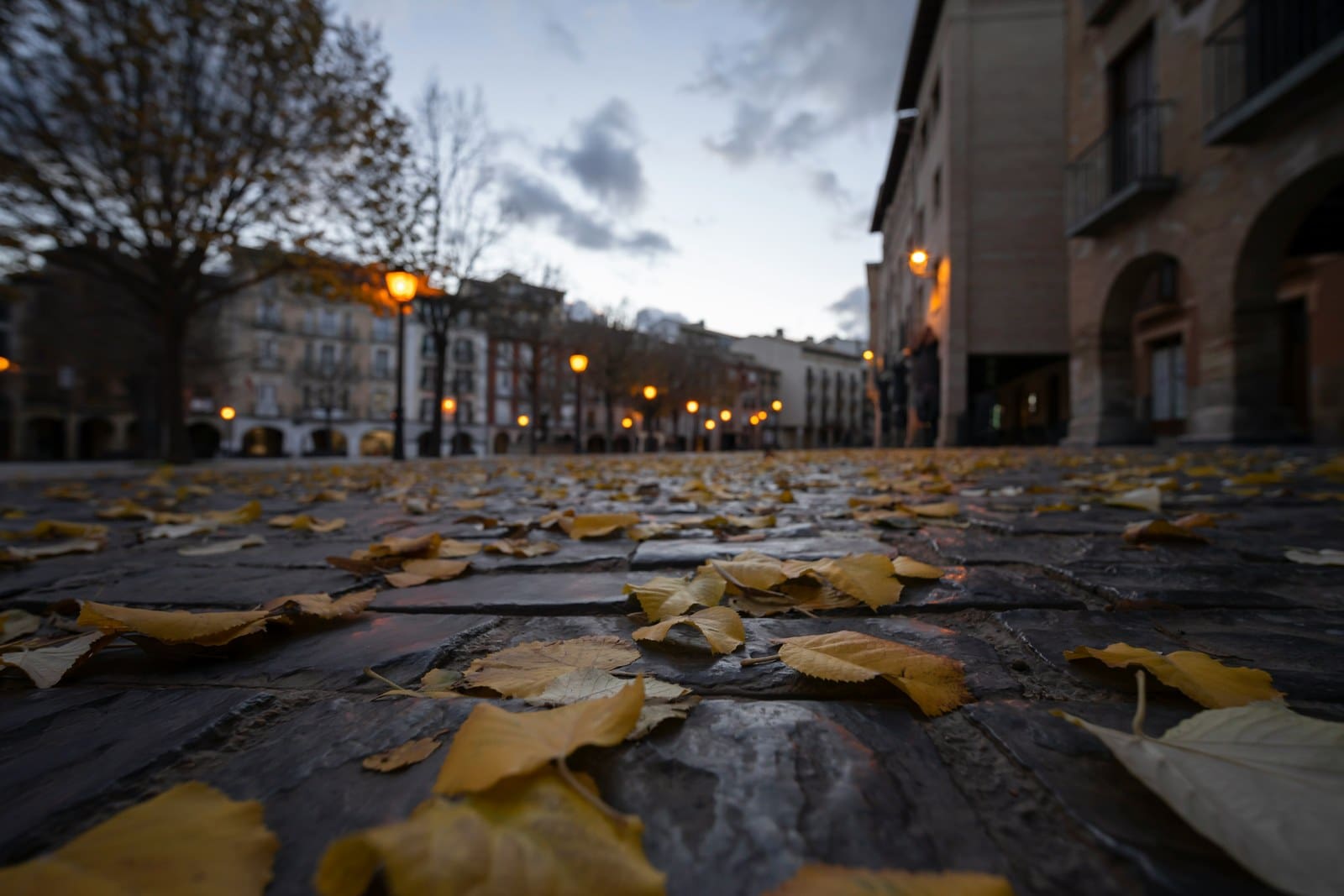
Spain has just posted the biggest July in its history. Here’s what the same country feels like eight weeks later.
In early October, a Seville morning starts cool enough that you want a jacket for the first hour. By eleven you’ve forgotten you’re carrying it, and you’re still walking. In August that same hour is already too hot to be out in for long, and the whole day has to be built around avoiding the middle of it.
Spain has just had the biggest July in its recorded history. Which matters mostly for what it tells you about the eight weeks afterward.
What eight weeks does
Spanish schools go back in the second week of September, and the domestic holiday traffic that fills the coast in August goes home with them. By the first week of October a town that was running at capacity is running at something closer to its ordinary self, and you notice it before ten in the morning.
Restaurants that wanted two weeks’ notice in August will seat you the same day. The Alhambra, the Sagrada Família and the Mezquita all still need booking, and the slots you actually want are there. The water off Andalucía and the Costa Brava stays warm enough to swim in well into the month, with a fraction of the people in it.
Andalucía changes the most of anywhere. Seville and Córdoba in August regularly push past 100 degrees, which limits how much of a day you can spend outdoors at all. By October those cities settle into the high seventies, and walking them all afternoon becomes the easiest thing in the world.
Three trips, not one
Autumn in Spain isn’t a single season, and the three versions of it aren’t interchangeable.
Mid-September into early October is the coastal one. The sea is still warm, the beach towns are fully open, and the August crowds went home with the school holidays.
October is the cities at their best. The late afternoon light is the reason people photograph Seville, and the restaurants and monuments that were impossible in August will take you the same week. October also brings the heaviest rain of the Mediterranean coast’s year, usually a day of it in short bursts.
November is the quietest of the three and the best value. The smaller Balearic beach towns start closing hotels and restaurants from late October, which makes November a mainland and city month rather than an island one. Evenings arrive earlier, though Spain sits far enough west in its time zone that the light holds longer than the clock suggests.
The way we’d build it
When someone comes to me wanting Spain and flexible on timing, I look at the last two weeks of September and the whole of October first. We book the first night before anything else, because arriving into a city you don’t know after a long flight is the moment a trip either settles or doesn’t.
I check what’s closing before we commit to a coastal stretch, since that varies by island and by town and it isn’t obvious from the outside. We build in one flexible day for October weather, and one unscheduled day a week for its own sake, because the reason to travel in a quieter month is to have room in it.
The numbers, if you want them
Spain received 11.5 million international visitors in July, the largest single month it has ever recorded, beating the previous high of 11.2 million set in August 2025. Across January through July the country welcomed 58.1 million, up 4.6 percent, with visitor spending of 82.05 billion euros, up 7.8 percent.
Catalonia led those seven months at 11.94 million, followed by the Balearics at 9.16 million and the Canaries at 9.02 million. Andalucía was up 9.5 percent. British visitors were the largest single July source market, at roughly 2.2 million.
The figures come from Spain’s National Statistics Institute, the INE, through its Frontur and Egatur series, reported by Euronews and the Olive Press on 1 September. Two notes before anyone runs with them. The number circulating that Spain will finish above 101 million for the year is an extrapolation of the current pace rather than an INE forecast. And June saw an unexpected slowdown, so the year hasn’t been a straight climb.
Spain in October is the same country that broke that record in July. Same cathedrals, same food, same light on the stone at five in the afternoon. What changes is how much of it is yours.
Thinking about Spain, or somewhere like it? My free Restorative Travel Guide covers how to build a trip that restores you, including the timing decisions that matter most.
Get the Restorative Travel Guide
If you’d like help planning, you can tell me about your trip here.