
The Stretch From November to Mid-January
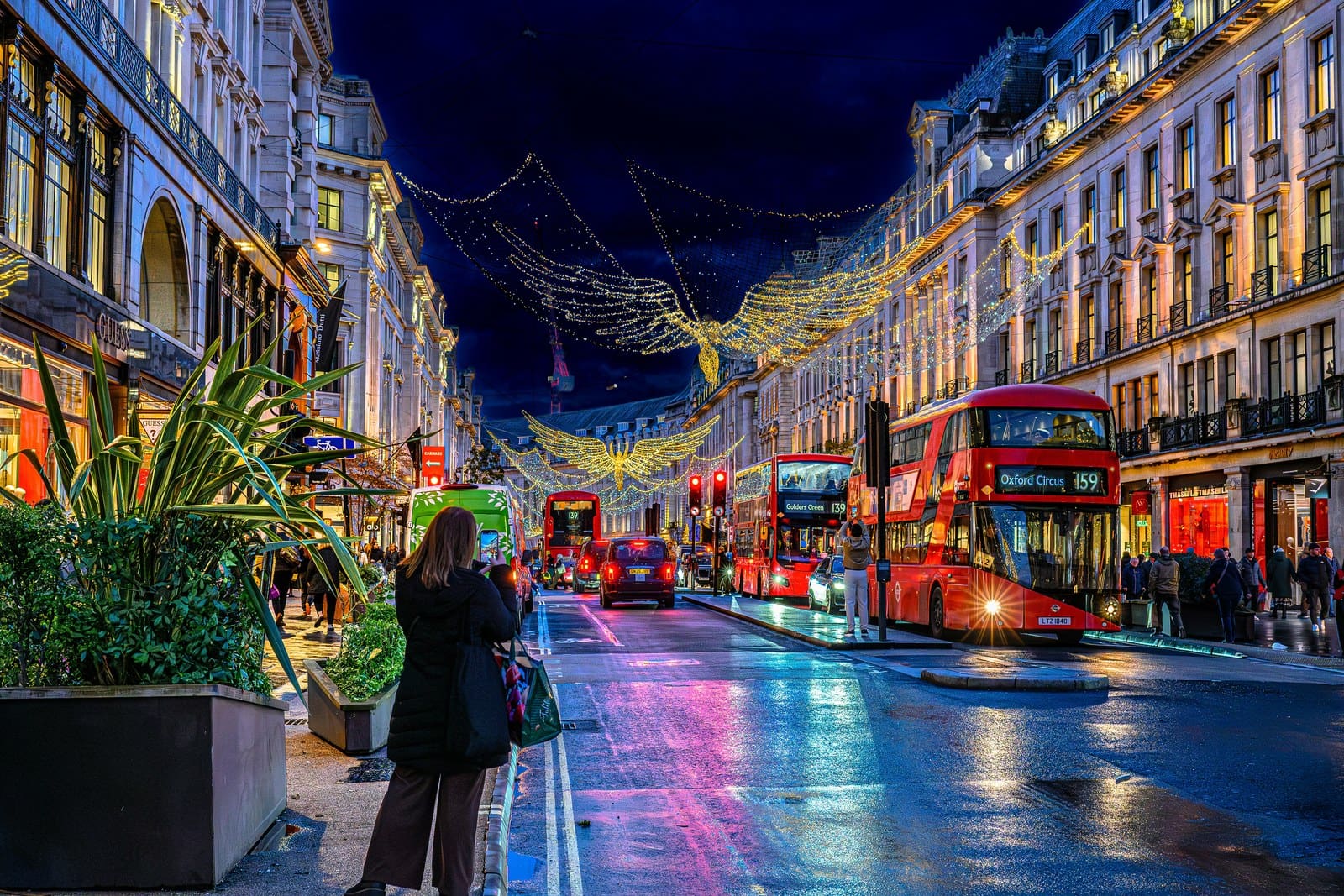
What a European city gives you in the months nobody competes for.
There’s a run of about ten weeks, starting the first of November and ending somewhere around the middle of January, that most people skip. It sits after the autumn color and before the ski season properly starts, and it contains the shortest days of the year.
It’s also when a European city is most itself.
What’s different
In November, Rome averages around 63 degrees in the afternoon. Seville sits near 70. Lisbon holds close to 64. These are cities where you can spend a whole day walking in comfort, which is its own argument when August routinely runs thirty degrees hotter.
The queues change character. The Uffizi, the Prado, the Rijksmuseum, all of them keep their winter hours and most of their exhibitions, with a fraction of the summer crowd standing in front of the same paintings. In several cities, museums that require timed entry months ahead in July will take a booking for the following morning.
Restaurants shift too. A kitchen that’s turning tables three times a night in August has time in January, and the difference shows up in what gets recommended to you and how long you’re allowed to sit there.
The light is the part people underestimate. Northern European cities in December get dark by four in the afternoon, which sounds like a loss until you’ve walked through one at that hour. Low sun on wet stone turns an ordinary street into something you stop in the middle of.
The scheduling fact worth knowing
One thing has changed for this particular winter. Skift reported on 2 September that Ryanair cut its full-year passenger target from 216 million to 214 million, with the reduction concentrated in the November through March window. The airline attributed it to fuel costs.
What it means practically is narrow but real. If a European trip in those months involves a short hop between cities on a low-cost carrier, one large airline is flying somewhat less than it planned to. That’s an argument for deciding on dates early rather than assuming the schedule will look in December the way it looks now.
What the season is good for
It’s good for long meals, which is the obvious answer and it’s obvious because it’s true. Winter is when European restaurant culture does what it’s built for, and a three hour lunch in January makes sense in a way it doesn’t in a heatwave.
It’s good for thermal bathing. Budapest, Bath and the Italian spa towns are mostly better in cold weather, when sitting in hot water outdoors is a pleasure rather than a curiosity. Some of the Tuscan thermal pools are at their best in December.
It’s good for walking that has somewhere warm at the end of it. Museums, cafés, churches and covered markets all work as the destination. The rhythm becomes an hour outside and then an hour in, repeated, which is a more sustainable way to see a place than the summer version where you’re outdoors from ten until seven.
And it’s good for sleeping properly, because the long nights do half the work for you. If you’ve been running short on rest, a trip where the sun sets at four and there’s no pressure to be anywhere is a genuinely restorative structure.
How we’d approach it
We book the flights before the accommodation for these months, which is the reverse of how we usually work, because the air schedule is the thing that’s moving.
I’d choose one city and stay in it rather than moving every two nights, since the short days mean travel between places eats a much larger share of your usable daylight than it does in June.
And I check what’s closed. Some smaller museums and a lot of coastal and rural properties run reduced winter hours or shut entirely between early January and March. City centers stay open. The further out you go, the more you need to verify.
The season isn’t a compromise version of the summer trip. It’s a different trip, built around meals, warmth, low light and space, and there’s no month of the year when a European city is easier to be in.
Curious what this looks like built properly? My free Restorative Travel Guide covers how to structure a trip around rest rather than around a checklist.
Get the Restorative Travel Guide
If you’re thinking about the months ahead, you can tell me about your trip here.