
I’ve Tried Everything and the Weight Still Won’t Budge. Now What?
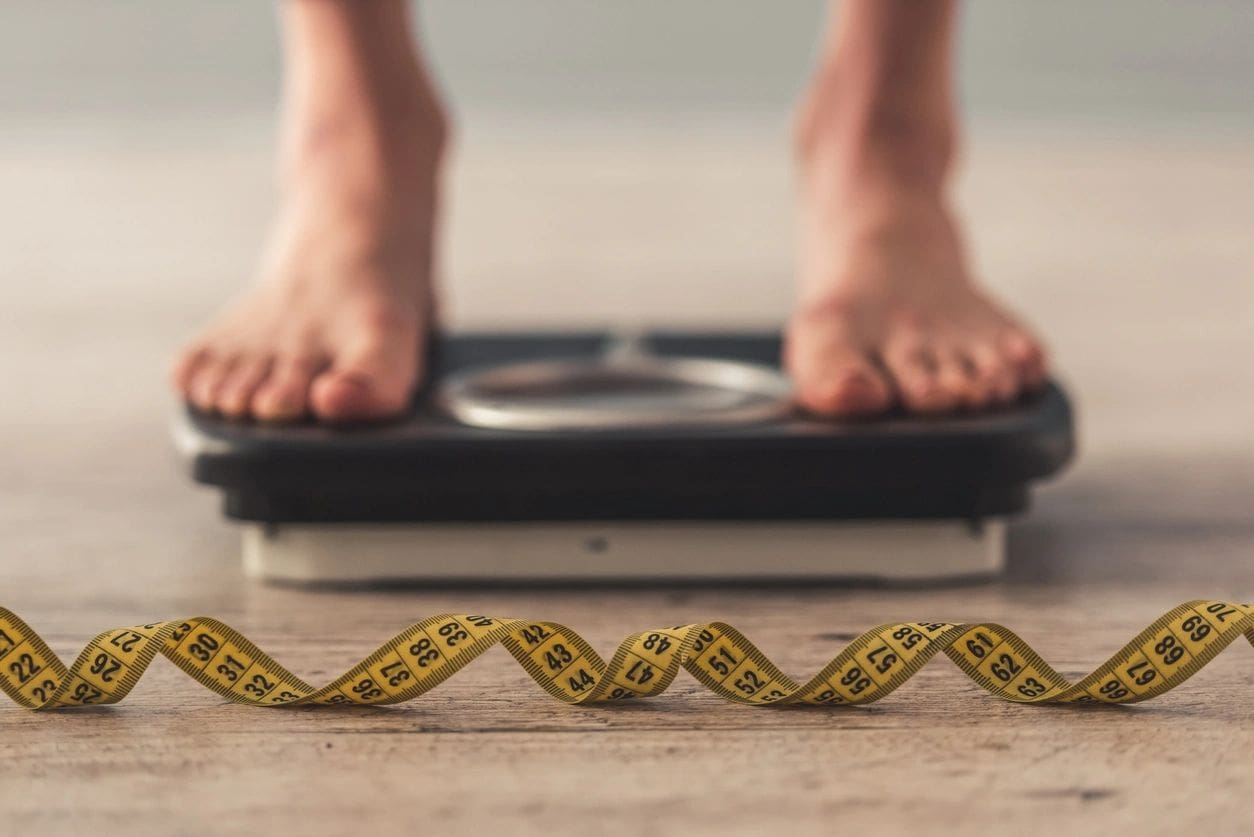
You have cleaned up your diet. You have added the supplements. You bought the cooling sheets, the magnesium spray, the hormone-balancing tea, maybe even the red light device. You followed the influencers, saved the reels, and tried the miracle fixes. And still the scale does not move. If anything, it feels harder than ever.
If this is you, pause for a moment. You are not failing. Your physiology is changing.
During perimenopause and menopause, estrogen declines and fluctuates. That shift changes how and where your body stores fat, how sensitive you are to insulin, and how well you recover from stress and exercise. Muscle becomes harder to hold onto, recovery slows, disrupted sleep raises cortisol, and fat storage often moves toward the middle. This is biology, not willpower.
Here is the part most programs miss. When a body already under hormonal stress is handed a “do more, eat less” plan, the usual result is more inflammation, more fatigue, and very little fat loss. Layer on the real texture of midlife, the career pressure, aging parents, shifting relationships, and broken sleep, and cortisol stays high. Elevated cortisol tells the body to conserve and store, especially around the middle. No detox tea can override a nervous system that feels constantly under strain. When your body senses stress, it protects you. It does not prioritize fat loss.
What Actually Moves the Needle
The real levers are simpler and more strategic than the supplement aisle suggests. Strength training two to four times a week, because muscle is metabolic currency. Enough protein, roughly 25 to 35 grams per meal, to support muscle, satiety, and steady blood sugar. Balanced meals that keep energy and cravings in check. And sleep, which quietly governs all of it. If you are running on five broken hours, fat loss will feel like walking uphill.
Notice what every one of those has in common. They depend on a calmer nervous system and a life with enough space to recover. That is exactly what daily routine tends to starve.
Where Travel Comes In
This is why a restorative journey can do what another round of discipline cannot. Step out of your everyday environment and the stress signals that keep cortisol high begin to quiet. Days built around real sleep, unhurried movement, time outdoors, and nourishing food give your body the conditions it has been asking for. You are not escaping your health when you travel this way. You are creating the reset that lets the fundamentals finally take hold, then bringing that rhythm home with you.
The scale is not the whole story, and it is not a measure of your effort. Your body is not broken. It is asking for a different approach, and often for a change of scenery to go with it.