
The Place That Decided to Keep the Dark
Restorative Journeys
In a corner of the Cairngorms, distilleries, farms and households changed their outdoor lighting on purpose. What they protected is now the darkest Dark Sky Park in the United Kingdom.
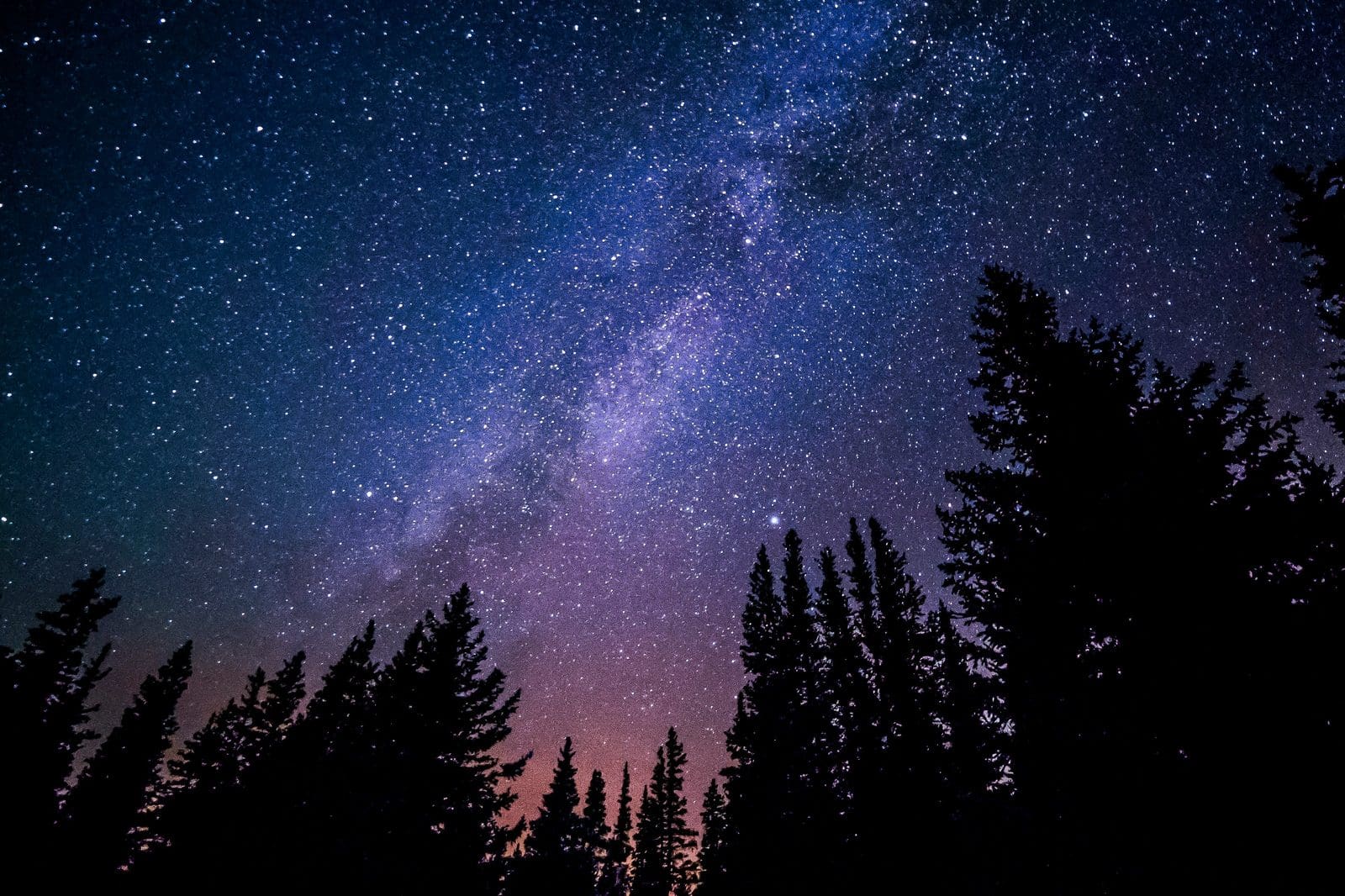
Most of the beautiful things you travel to see were built. Somebody quarried the stone, laid the road, planted the garden. The sky above Tomintoul is different, because nobody made it. A group of people agreed not to spoil it, which turns out to be a harder and more deliberate thing than building something new.
What is actually there
The Tomintoul and Glenlivet Dark Sky Park in the Cairngorms was designated in 2018 by DarkSky International, and it was the first International Dark Sky Park in the Scottish Highlands. It covers 244 square kilometers, made up of about 230 square kilometers of Crown Estate land on the Glenlivet Estate plus another 14 square kilometers of privately owned and other ground. All of it sits inside Cairngorms National Park, which is the largest national park in the United Kingdom, and all of it falls within the Moray Council district.
It holds Gold Tier status, the highest category in that system. It is the darkest Dark Sky Park in the UK, and it is the most northern one in the world.
A point of precision that matters, because it gets garbled constantly. The certification belongs to that park, which sits in the Highlands. The Highlands as a whole are not a Dark Sky Park.
Inside the park there are three Dark Sky Discovery Sites, which are specific places set aside for standing still and looking up. They are Tomintoul, where there is a shelter called the Skyhide built for exactly that purpose, Blairfindy, and Scalan.
The part I find genuinely moving
To earn the designation, the people who live there had to change how they light their own property. Distilleries, farms, households, and Moray District Council all worked on outdoor lighting so that less of it spilled upward.
Think about what that means in practice. It means somebody’s security light and the exterior of a working distillery, each one a small expense and a small inconvenience, agreed to by enough people in the same area that the sky above them stayed legible.
I plan a lot of trips around what a place has. This is a trip built around what a place decided to keep, and that is a different kind of experience to stand inside.
Why it works as restorative travel
There is no performance required. You do not need equipment, a guide, or any prior knowledge. You need a clear night, warm clothing, and about twenty minutes for your eyes to adjust, which is longer than most people give it and is the single thing that separates a disappointing hour from an unforgettable one.
It also asks nothing of your body, which matters more than it used to for many of the women I work with. Standing in a field, or sitting in a shelter with a flask, is available to almost everyone. You can do it at sixty-two with a bad knee.
And it is one of the few things left that genuinely cannot be rushed. You cannot get more sky by moving faster. The only way to do it is to stay put for a while, which is the same instruction underneath every restorative trip I build.
How I would plan it
The season is the whole game here. Scottish summer nights are too light for this, so the dark sky window runs roughly from autumn through early spring. That makes it a genuinely good reason to go to Scotland in the months when nobody else is competing for a room.
I build the days around walking and the evenings around the sky, and I book accommodation close enough that a cloudy night costs you nothing. When you are staying twenty minutes away, you simply go out on the clear night instead of the cloudy one. When you are staying two hours away, one bad forecast takes the whole trip with it.
I also set expectations honestly, which is part of my job. There is no aurora to promise and no forecast to chase. What is on offer is a sky with a great many more stars in it than you have probably seen, above a landscape that holds reindeer and remnants of ancient Caledonian pine forest, and that is enough.
Spring is open for this, and so is late autumn.
If you want a place to start, my Restorative Travel Guide is free and it is the first thing I send people who know they need a week away and are not yet sure what kind.
Get the Restorative Travel Guide
And if you are already thinking about dates, you can tell me what you have in mind here.
Debra Orringer, MS, ACE-MES, ACSM-CEP, CIHC