
What Makes a Place Easy to Travel Alone In
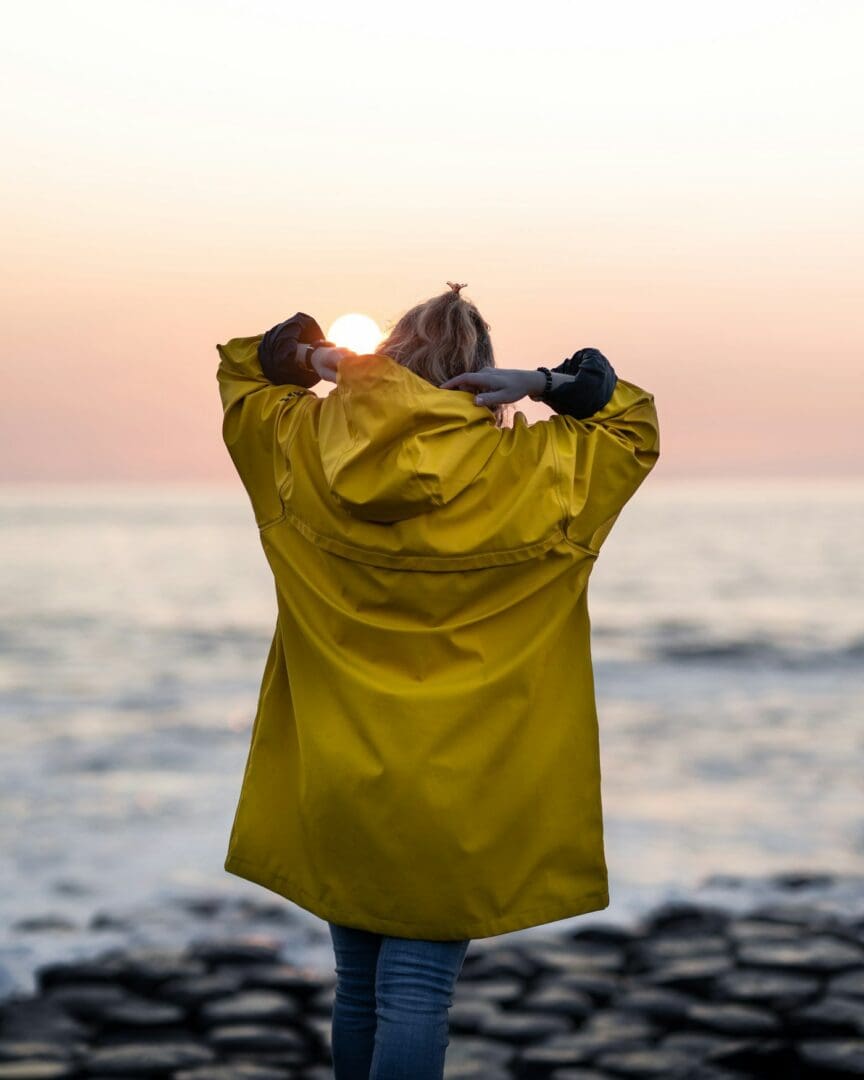
Some destinations do most of the work for a woman traveling by herself. Here is what they have in common, and three that have it.
The question I get asked most often about traveling alone is about dinner.
Not safety, which is what people assume. Dinner. Whether it will feel strange to sit down at eight o’clock on a Tuesday with a book and no one across the table. Everything else people want to know sits underneath that one, and the honest answer is that it depends enormously on where you are standing when you ask it.
A place can make being alone feel like a condition you are managing. A different place can make it feel like the most ordinary thing in the world. That difference is a design problem, and it is most of what I am solving when someone tells me she wants to go somewhere by herself for the first time in twenty years.
The four things that make it work
You can walk it. A place you can cross on foot removes the single biggest friction of traveling alone, which is transport logistics at the exact moments you are tired. Compact beats spectacular for a first solo trip almost every time.
Eating alone is comfortable. Some food cultures are built around long group tables and some are built around a counter, a small plate, and an hour. In the second kind, nobody registers that you came in by yourself, because half the room did too.
There is something to do every day. Walking, swimming, a boat, a market, a morning with a slight physical shape to it. This is the Movement piece of the MNRC method doing quiet work, and on a solo trip it does something extra. A day with a bit of effort in it gives you a reason to be somewhere, which means you are not producing reasons all day.
You can be still. An afternoon where you sit down at two and get up at five is the part women tell me afterward they miss most. That takes a place where lingering is normal and the table stays yours as long as you want it.
Three that have all four
Northern Portugal. Porto is small enough to walk end to end, and there is a train that runs up the Douro valley alongside the river, which means you can spend a whole day in motion with nothing asked of you beyond looking out the window. The food culture is the counter-and-small-plate kind. I send a lot of first-time solo travelers here.
Slovenia. The middle of Ljubljana is closed to cars, which changes the entire feel of arriving somewhere by yourself in the evening. The country is small enough that Lake Bohinj, inside Triglav National Park, is a straightforward move from the city, and the walking around the lake is genuinely restorative rather than an endurance test. Slovenia is the one I recommend when someone wants nature and a city in the same week without a long drive between them.
The west of Ireland. Galway and the Connemara coast solve the conversation problem, because it is a part of the world where a stranger will talk to you for twenty minutes and then let you go. Women who have been worried about loneliness usually come back from this one surprised at how much company they had, and how easy it was to step out of.
What I handle before you go
This is the part that makes the difference, and it happens weeks before anyone gets on a plane.
I book the first night somewhere that will take care of you on arrival, because the first evening sets the tone for the whole trip and jet lag is a bad moment to be solving problems. I arrange the transfer from the airport rather than leaving you to negotiate it. I pick restaurants that seat one person well and I tell them you are coming. I build in one day near the start with something structured in it, a walk with a guide or a morning on the water, so you have somewhere to be while you find your footing. After that the days open up.
I also make sure someone local knows your name. That is worth more than any list of precautions.
Why this matters at this stage
Most of the women I plan for have spent a long stretch of their lives organizing everyone else’s time. The trip where you are the only person whose preferences matter can feel unfamiliar for about a day and a half, and then it tends to become the thing they want to do again.
You are allowed to want a week that belongs to you. That is a good enough reason on its own, and it is usually the trip people are still talking about years later.
If you are thinking about it, I put together a free Restorative Travel Guide that walks through how to pick a place and a pace that will actually leave you rested. It is a short read and it was written for exactly this decision.
And when you are ready to talk about a real trip, you can tell me what you are imagining here.
Debra Orringer, MS, ACE-MES, ACSM-CEP, CIHC, owns a luxury travel business designing restorative journeys.